A Self-Guided Walking Tour of Durango's Historic Downtown
How to spend a morning exploring the architecture, stories, and street life of one of Colorado's most intact Victorian districts
Mornings in Durango have a particular quality to them. The light comes in at a low angle off the San Juan peaks, the air still carries a little of the night's coolness, and Main Avenue has not yet filled with the midday foot traffic. That window, roughly eight in the morning until noon, is when I think downtown Durango shows itself best. The Victorian storefronts are easier to study when you are not navigating a crowd, and the people you do encounter tend to be locals going about their day. If you are staying in town this summer and you have a free morning, I want to walk you through what I would tell any guest sitting at my table: here is how to do this on your own, at your own pace, and actually see what you are looking at.
Start on Fifth Avenue and Work Your Way West
The walk from the residential blocks east of Main Avenue into the commercial historic district is itself part of the story. The neighborhood shifts gradually from late-Victorian homes with wide covered porches and ornate gable details to the taller brick commercial facades that line Main Avenue proper. By the time you reach the intersection of Main and Fifth, you are standing at the southern edge of a nationally registered historic district, and it reads that way. The buildings are not reproductions. The brick is original, the cornices are original, and most of the upper floors still carry the proportions and window patterns of the 1880s and 1890s, when Durango was being built out as a railroad and mining supply hub.
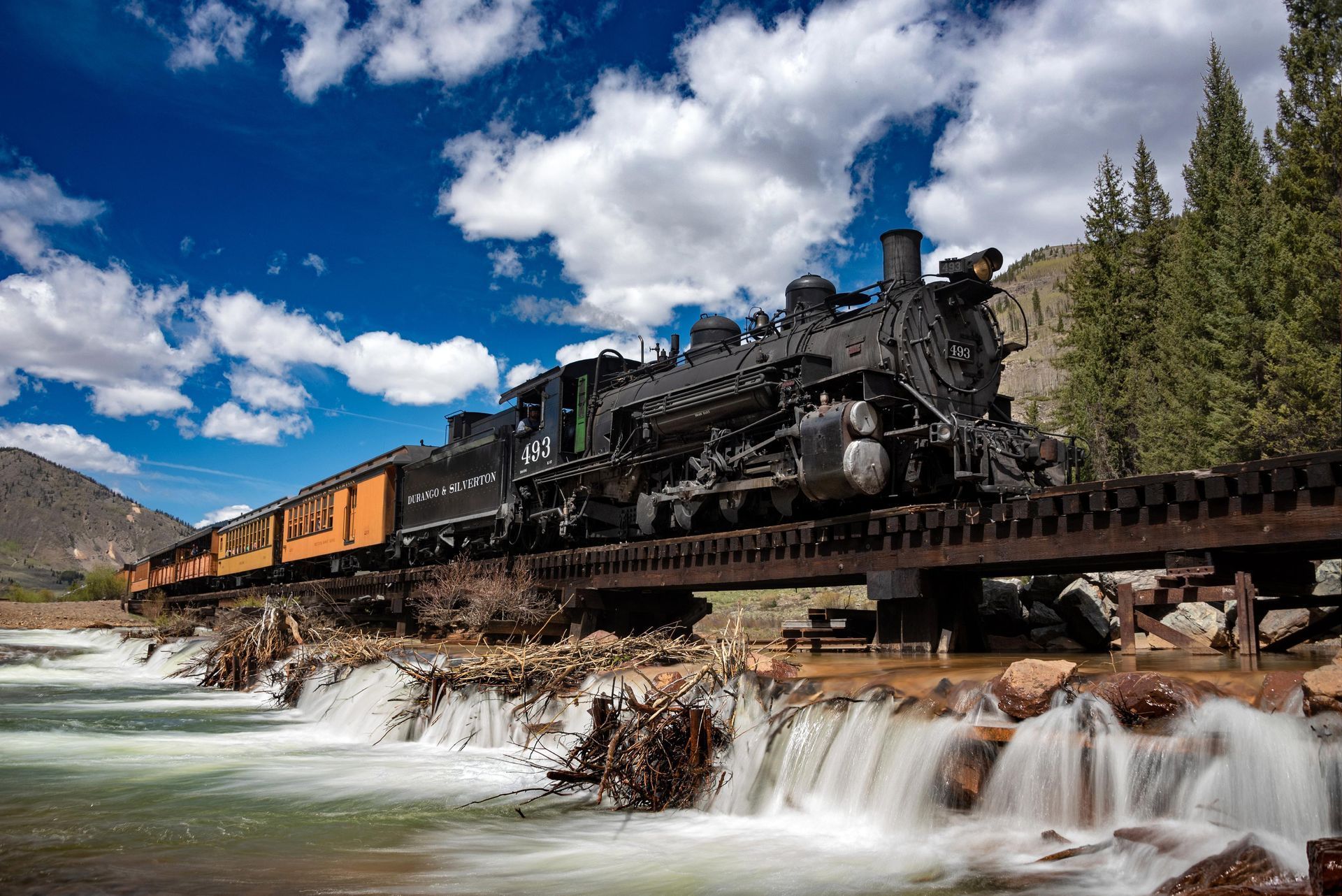
You are beginning your Main Street walk at the historic Durango Silverton Narrow Gauge Railroad Station. Do not miss their impressive traWalk north on Main Avenue and give yourself permission to look up. Most visitors look straight ahead or into shop windows, which means they miss the real architectural detail. The second and third floors of these buildings carry the character: decorative brick corbeling, arched window headers, and cast iron details.
The early hotels and What TheyTell You About Durango's Ambitions
In the 500 block on the west side of the street, you will encounter the General Palmer Hotel. This early Durango establishment was built in 1898 in downtown Durango, Colorado, and is named after Civil War General
William Jackson Palmer , founder of the Denver & Rio Grande Railroad.The main building features late-19th-century architecture, preserved antique furnishings in the foyer and lobby, and an original historic elevator. This boutique hotel has been family owned, and operational for over 125 years.
Another block down Main Avenue, at the southwest corner of Main and 7th streets, you will reach the Strater Hotel, built in 1887, four years before Durango had been incorporated for a decade. It is a useful anchor point on this walk, not just because it is one of the most intact Victorian commercial buildings in the region, but because of what its construction says about the town's early ambitions. The people who built Durango were not building a temporary mining camp. They were building a city, and the Strater, with its ornate red brick facade and elaborate period interior, was a statement to that effect.
Stop on the sidewalk across the street and look at the full elevation of the building. The decorative brickwork on the upper floors, the pedimented window surrounds, and the corner tower are all original. If you walk inside briefly, the lobby woodwork is worth a few minutes of your time. The hotel has been in continuous operation since 1887, which is a remarkable fact in a region where many historic structures did not survive the economic cycles of the late 19th and early 20th centuries.
Reading the Street as a Document
One of the things I encourage guests to do on this walk is treat Main Avenue as a kind of layered document rather than a backdrop. The buildings were not all built at once. Some date to the early 1880s, others to the 1890s and early 1900s, while others are relatively new in comparison. You can often read the difference in the building materials and stylistic choices. The earliest commercial buildings tend to be simpler in their detailing. The later ones reflect the growing prosperity of the town and the influence of pattern books and architectural fashions that were moving west from Denver and beyond.
Look also at the street-level changes over time. Original storefronts were often altered in the mid-20th century, with historic facades covered over or simplified. In recent decades, some of those alterations have been reversed during restoration work, and you can sometimes spot the transition where a historic brick facade reappears above a more recent ground-floor treatment. It is not always tidy, but it is honest, and it tells you something about how a working downtown evolves over a century.
Side Streets and What You Find Off Main
The walking tour most people describe stays entirely on Main Avenue, and that is a reasonable starting point. But the blocks immediately east and west of Main reward some wandering. Second Avenue, one block west, runs parallel to Main and gives you a different angle on the backs and sides of the commercial buildings. You also encounter a mix of smaller commercial structures, historic residential buildings, and infill from different eras that together give a more complete picture of how the neighborhood grew.
The alleys between Main and Second are worth a slow pass as well. You see the service architecture of the historic district, the loading docks, the brick rear elevations, the infrastructure that kept these businesses running, and it is a different kind of beauty than the polished Main Avenue frontage.
A Few Practical Notes for the Walk
July temperatures in Durango typically reach the upper 80s by early afternoon, so starting before nine in the morning makes the walk considerably more comfortable. Wear shoes you are willing to put real miles on. The historic district covers several blocks in each direction, and if you are doing this properly, meaning stopping, looking, doubling back occasionally, you will cover more ground than the straight-line distance suggests.
Bring water. The elevation here is just above 6,500 feet, and even a moderate morning walk at altitude will leave you more dehydrated than the same walk at sea level would.
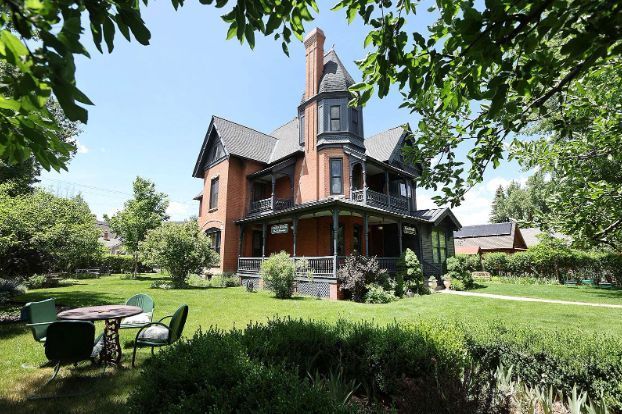
The Gable House is a five-minute walk from Main Avenue and the historic district, which means you can leave your car parked and return to it only when you are ready. There is no need to move it between stops or worry about time limits. That kind of walkability changes how you experience a morning downtown. You can linger, come back to a block you want to see again, stop for coffee without calculating whether you have enough meter time. That is the right pace for this particular walk.
Warmly,
Tracie and Charlie
Recent Posts